
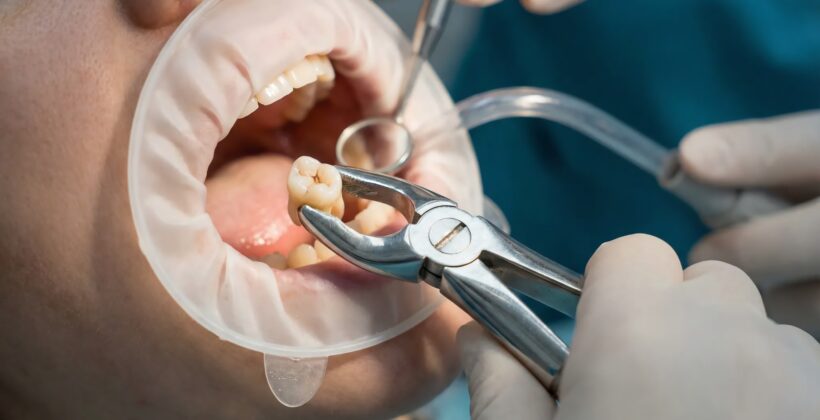
Your natural teeth are always worth fighting for. At Phoenix Road Dental, we always look for ways like fillings, crowns, root canals, and gum therapy to save your natural teeth, but sometimes, keeping a tooth in place can do more harm than good. Knowing when a tooth extraction is necessary can help you make the right decision for your health.
Our tooth extraction services are performed with local anaesthetic and, where needed, sedation, so you can feel calm and comfortable throughout. If you are wondering when is a tooth extraction necessary, understanding the following signs can help you seek treatment before the problem worsens.
5 Conditions When A Tooth Extraction Is Necessary
1. Severe Tooth Decay That Cannot Be Restored
One of the most common reasons for a tooth extraction is severe tooth decay. When the decay has spread deep into the tooth structure, and there is not enough healthy tooth left to support a restoration, extraction becomes necessary.
Signs that decay may be too far advanced:
- Constant toothache
- Sensitivity that does not settle
- A cracked or crumbling tooth
- Swelling around the tooth
- Difficulty chewing
- The tooth is crumbling or has large portions missing
An untreated infected tooth can spread bacteria to nearby teeth and gums, which is why infected tooth extraction is sometimes necessary.
2. Advanced Gum Disease Affecting Tooth Support
Advanced gum disease (periodontitis) can weaken the tissues and bone supporting your teeth. When this support is severely compromised, a tooth can become loose, shift position, or become infected at the root.
Extraction may be recommended when:
- Loose teeth
- Bleeding gums
- Gum recession
- Persistent bad breath
- Pain when chewing
Removing a tooth affected by advanced gum disease can prevent the infection from spreading to neighbouring teeth and the surrounding bone.
3. Dental Trauma or a Broken Tooth
Dental trauma caused by accidents, sports injuries, or biting down on something hard can sometimes damage a tooth beyond repair. Not every broken tooth needs to be removed. However, if the fracture extends below the gum line or into the root, saving the tooth may not be possible.
Dental trauma may require urgent treatment if you experience:
- Severe pain after injury
- The tooth is split vertically
- The root is fractured
- A broken tooth exposing the nerve
- Bleeding around the tooth
- Swelling or infection
- Difficulty biting or speaking
In some cases, a same-day assessment can determine whether the tooth can be saved or whether removal is the safer option.
4. Infected Tooth: Where Saving the Tooth May Not Be Possible
A tooth infection should never be ignored. Infections can spread beyond the tooth into surrounding tissues and bone if left untreated.
Root canal treatment is commonly used to save infected teeth. However, when the infection is too extensive or the tooth structure too damaged, an infected tooth extraction may be the only way to clear the infection and protect your overall health
Signs of a serious tooth infection include:
- Throbbing tooth pain
- Facial swelling
- Fever
- Swollen gums
- Bad taste in the mouth
- Pain when biting
If you have these symptoms, do not delay. Dental infections can spread quickly and may require urgent attention.
5. Impacted or Problematic Wisdom Teeth
Wisdom tooth extraction signs can vary from person to person. Some wisdom teeth grow normally without causing problems, while others become impacted wisdom teeth trapped beneath the gums or pushing against nearby teeth.
Impacted wisdom teeth can cause:
- Pain and swelling in the back of the mouth
- Infection around the partially emerged tooth
- Crowding or damage to the teeth next to them
- Cysts or decay that affect the surrounding area
If you are experiencing these symptoms, our blog on 4 reasons you need to remove your wisdom tooth explains some of the common warning signs.
Some patients also ask whether wisdom teeth always need removal. The answer depends on your individual situation. You can read more in our blog on whether everyone needs wisdom teeth removed.
When Is an Extraction Urgent vs When Can It Be Planned?
Some extractions can be planned ahead, while others require urgent care.
Extraction is usually urgent when:
- Severe swelling
- Signs of spreading infection
- Uncontrolled pain
- Trauma causes severe damage
- Difficulty swallowing or breathing
- Facial swelling with fever
These symptoms can indicate a serious infection that requires immediate attention.
Planned extractions are more common for:
- Problematic wisdom teeth
- Severely damaged teeth with no pain
- Orthodontic treatment planning
- Teeth affected by long-term gum disease
Your dentist will advise you on timing based on your X-rays and clinical assessment. If in doubt, it is always better to get checked sooner rather than later.
When to Speak With a Dentist
The dental care team at Phoenix Road Dental will always explore every option before recommending an extraction.
If you are unsure whether your tooth can be saved, the best step is to book a dental appointment for a better assessment of the tooth’s condition. X-rays and a clinical assessment can help determine the most suitable treatment option.
If you are experiencing tooth pain, swelling, or signs of infection, get in touch with our team to help you make the right decision for your smile.